The architecture of texture
Lorem ipsum dolor sit amet consectetur. Consequat urna pharetra congue sagittis.
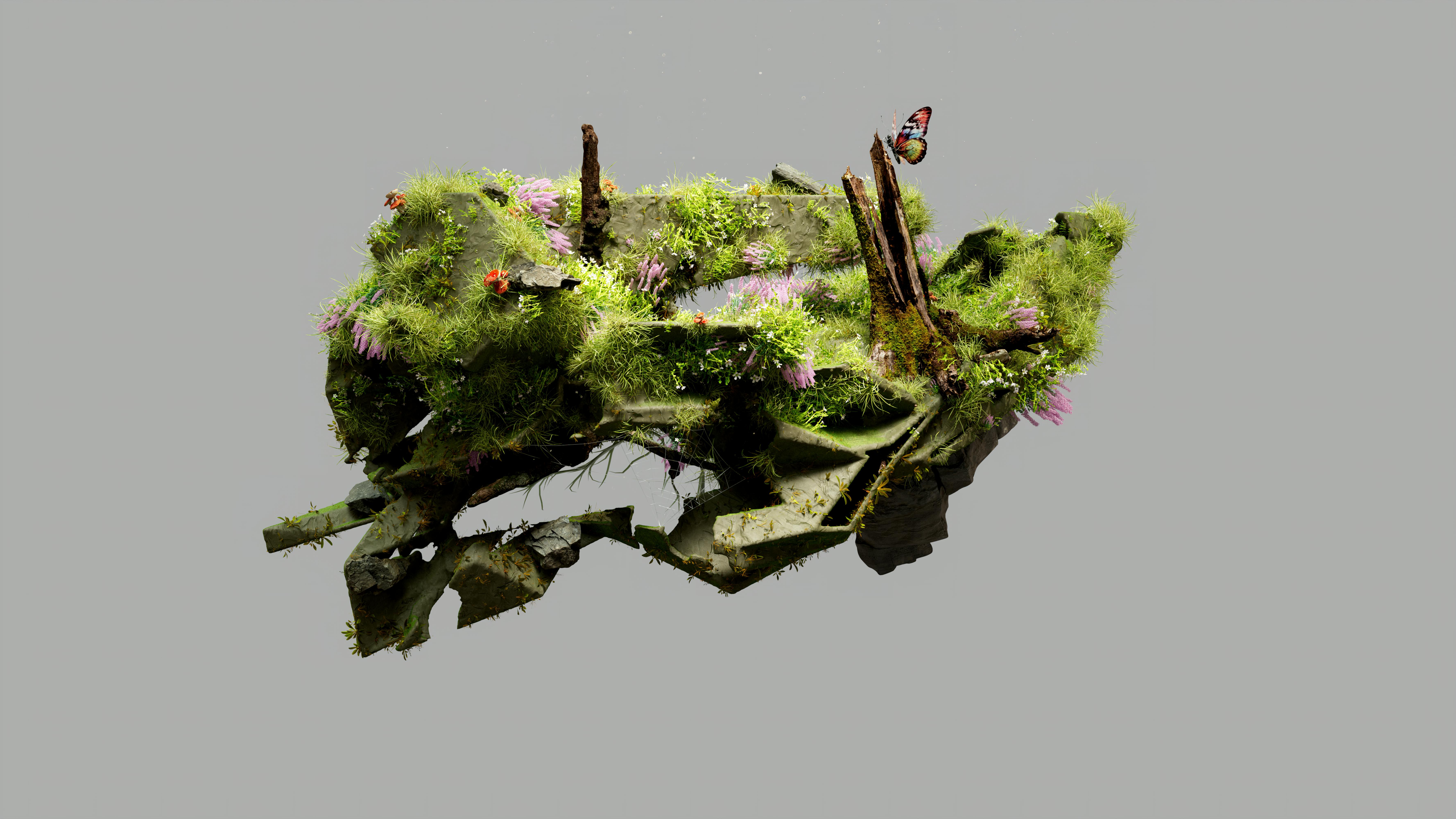

Architecture has always been about materiality. The way light falls on concrete, the grain of wood under your hand, the cold precision of steel — these sensory experiences define how we inhabit space. When I transitioned from building physical spaces to crafting digital materials, I carried this understanding with me. Every texture I create is informed by years of studying how materials behave in the real world. This isn't about replication. It's about translation — taking the essence of architectural materiality and expressing it in a way that serves digital creators.

understanding light direction
When light moves across vertical ridges, it creates a rhythm of highlights and shadows. Subtle variations in height exaggerate this rhythm, resulting in a living texture that changes with the environment.
material depth through shadow
The deeper the groove, the more dramatic the shadow falloff becomes. But in architectural materials, restraint is key — too much depth breaks the calmness, too little makes the surface feel flat.


crafting the texture
These textures are shaped through controlled tooling — small, intentional imperfections that give each material its individuality. Rather than smoothing them away, we preserve these traces as part of the story.





" transform="translate(7 7)" width="10px"/><path d="M 10 10 L 10 0 L 0 0" fill="transparent" height="10px" id="QIZV0bg8z" stroke-dasharray="" stroke-linecap="round" stroke-linejoin="round" stroke-width="1.5" stroke="rgb(229, 223, 216)" transform="translate(7 7)" width="10px"/></svg>)

" width="18px"><path d="M 0 0 L 18 0" fill="transparent" height="1px" id="wMLMEo8bh" stroke-dasharray="" stroke-linecap="butt" stroke-linejoin="round" stroke-width="3" stroke="rgb(229, 223, 216)" transform="translate(0 9)" width="18px"/><path d="M 0 0 L 9 9 L 0 18" fill="transparent" height="18px" id="Oipdp14Hp" stroke-dasharray="" stroke-linecap="butt" stroke-linejoin="round" stroke-width="3" stroke="rgb(229, 223, 216)" transform="translate(9 0)" width="8.999973398988573px"/></g></svg>)